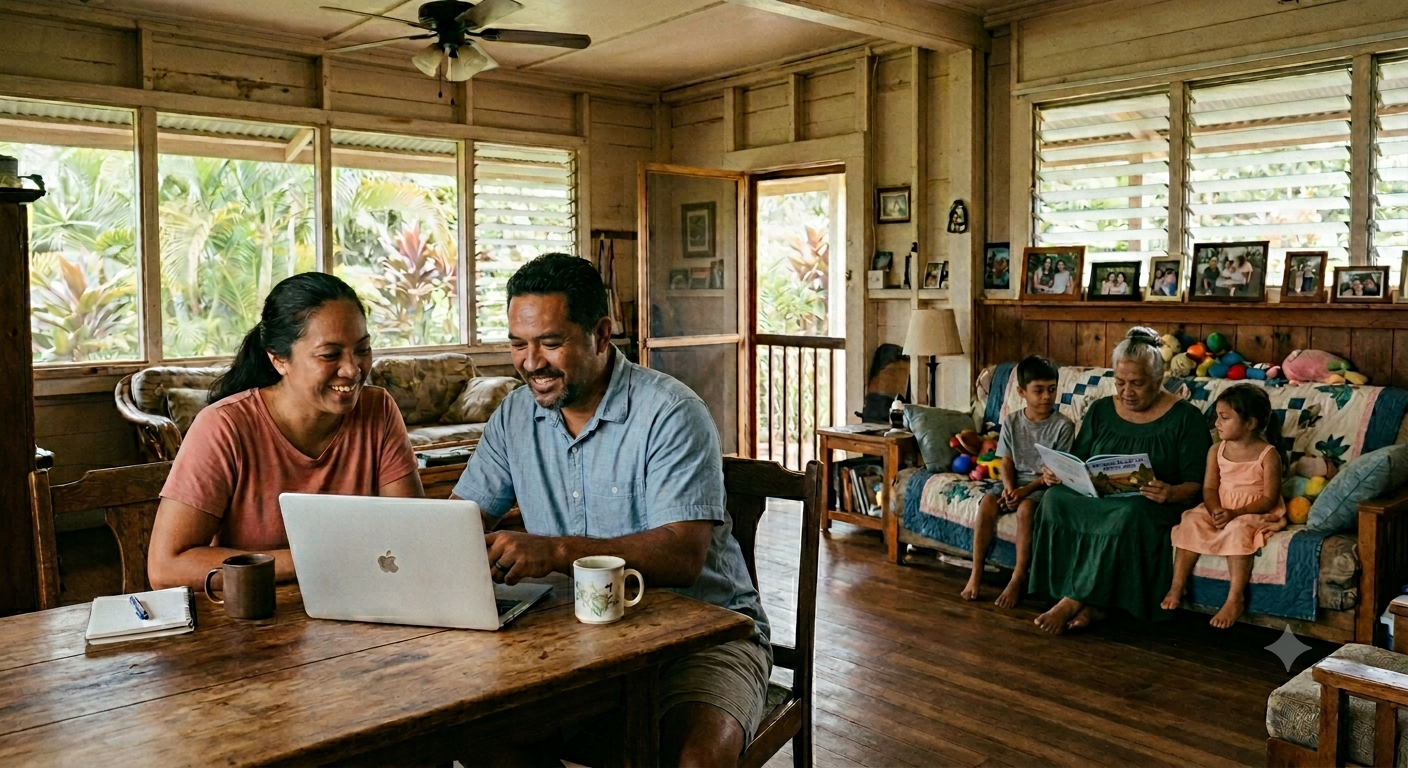
HHFDC Services for residents
The Hawaiʻi Housing Finance and Development Corporation (HHFDC) website provides supportive pathways to help Hawaiʻi residents find safe, secure homes that fit their budget.
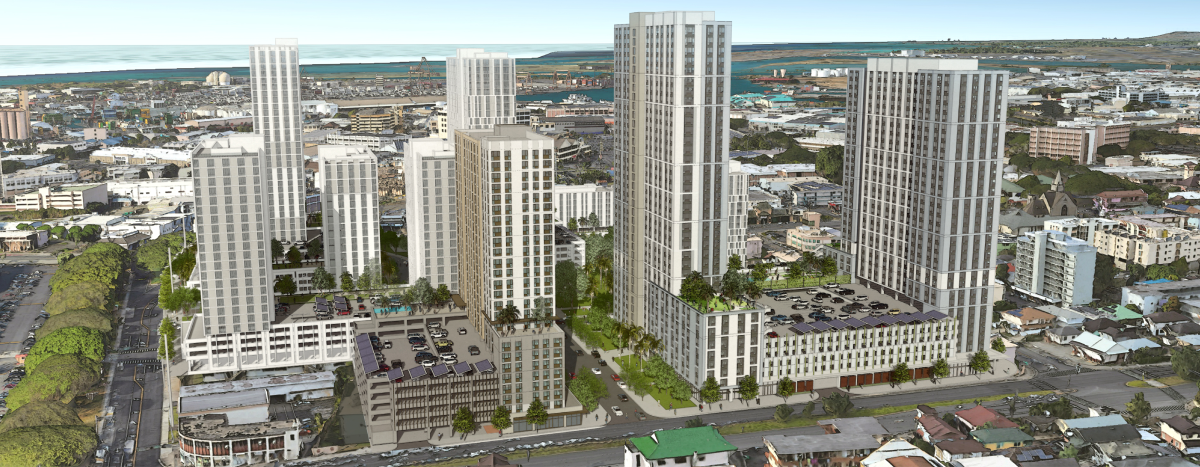
The HPHA’s Mayor Wright planned redevelopment project could deliver over 2,300 income-restricted rentals to Honolulu.
Core Concepts
What is “Affordable Housing” Anyway?
At HHFDC, affordable housing refers to residential units that are price-restricted and income-targeted to ensure they remain accessible to local residents who might otherwise be priced out of the private market.
These programs are not “one size fits all.” Instead, they are calibrated based on the Area Median Income (AMI), a benchmark established annually by the U.S. Department of Housing and Urban Development (HUD). However, while AMI provides a standardized mathematical framework for income eligibility, the practical reality of “affordability” is heavily influenced by the diverse economic landscapes of Hawaiʻi’s distinct communities.
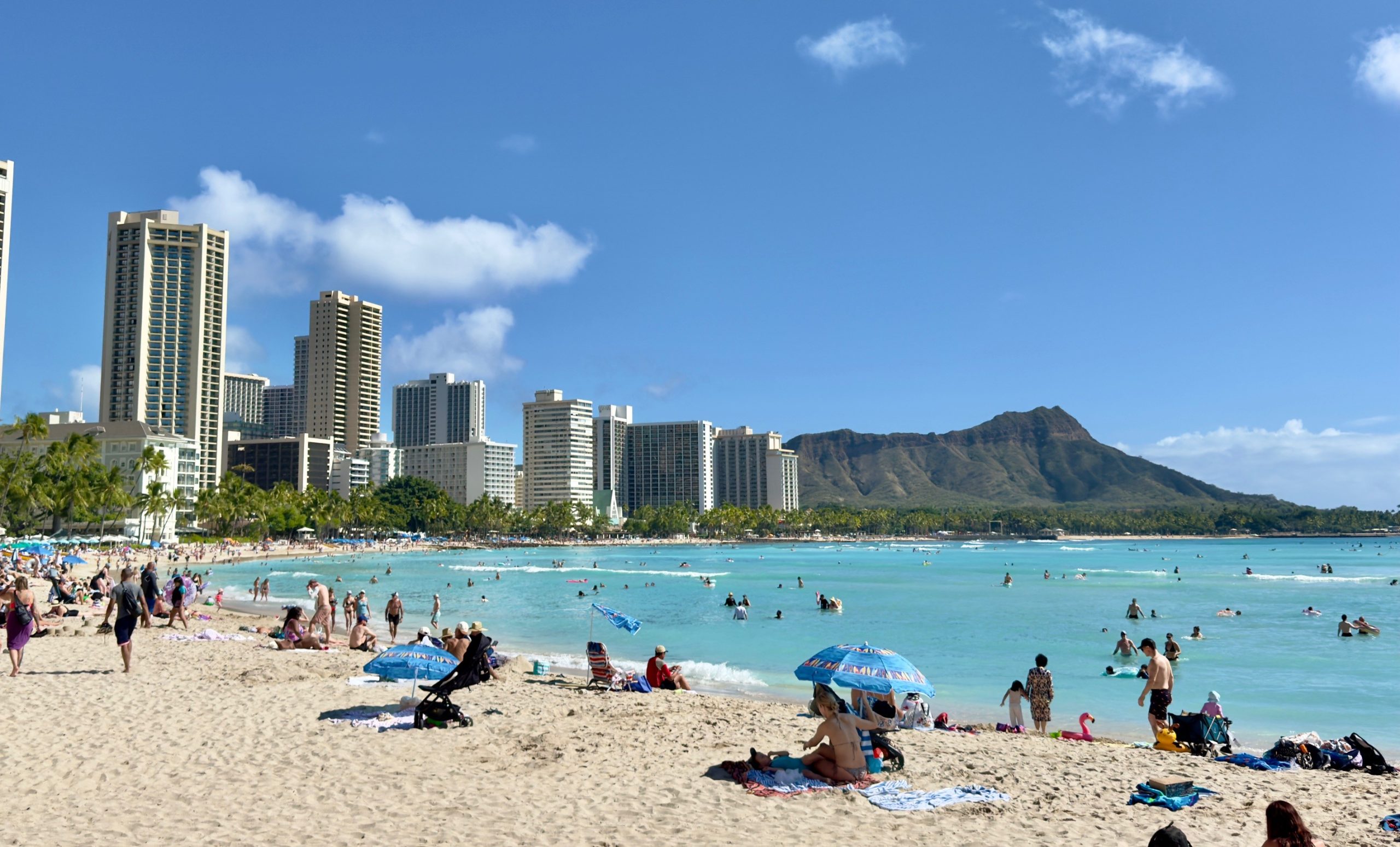
Contextualizing Affordability
The financial burden of housing is not experienced uniformly across the island chain. When evaluating an affordable unit, the definition of affordability must account for variables that fluctuate significantly between regions.
- Transportation and Infrastructure: In urban Honolulu, an affordable unit may be priced higher to reflect proximity to employment hubs. In regions like Waiʻanae or Kapolei on Kona, while base housing costs may be lower, the “total cost of living” often escalates due to long-distance commuting.
- Operational and Development Costs: The cost to deliver an affordable housing unit varies based on localized parcel metrics like land assembly and structured parking.
- Land Acquisition and Entitlement Costs: The price of a finished home is fundamentally tied to the cost of the raw land and the time-intensive “entitlement” process. In Hawaiʻi, securing the necessary land-use approvals, environmental clearances, and zoning changes adds significant time and professional fees to the front end of a project, which must be amortized over the cost of every unit built.
- Financing and Interest Rate Volatility: Because affordable housing projects are heavily reliant on institutional financing, the cost of capital is a massive variable. Fluctuations in commercial lending rates, bond market conditions, and the cost of bridge financing during the construction period directly impact the project’s bottom line. When interest rates rise, the cost of borrowing increases, which forces developers to either seek more public subsidy or adjust project budgets, directly impacting how many “affordable” units can actually be built within a specific development.
Perspective: “Affordable for who?”
Affordability is not a single price tag; it is a calibrated target. When critics ask “Affordable for whom?”, the answer is that HHFDC projects are specifically engineered to reach our essential workforce—the teachers, nurses, and civil servants whose salaries would otherwise be completely eclipsed by open-market valuations. By tying rents and prices to specific Area Median Income (AMI) tiers, we are building income-appropriate stability to ensure our local families can continue to call Hawaiʻi home.
HHFDC is but one office working towards affordable housing and a part of the puzzle. You can learn more about how we help potential homeowners or renters find a home. Learn more here.
Understanding Diverse Housing Pathways
No matter your level of need, there is a government housing program designed to fit your specific needs and goals:
Public Housing & Section 8
Federal rental subsidies.
Who should apply: Low-income families, elderly, persons with disabilities, households needing rental support.
Senior & Accessible Housing
Communities with amenities for seniors (62+).
Who should apply: Seniors (62+), residents with mobility needs, individuals requiring medical proximity.
City & County Affordable Housing
Integrated market-rate developments.
Who should apply: Middle-income households, local workforce, first-time homebuyers, renters seeking stability.
HCDA Reserved Housing
Reserved housing in transit districts like Kakaʻako.
Who should apply: Moderate-income earners, urban professionals, residents working in downtown Honolulu.
Military Housing
Privatized communities near installations.
Who should apply: Active duty military, DoD civilians, military retirees, family members of service members.
Hawaiian Home Lands
Homesteading and residential leases.
Who should apply: Native Hawaiians with 50% or more blood quantum, families seeking long-term homesteading.